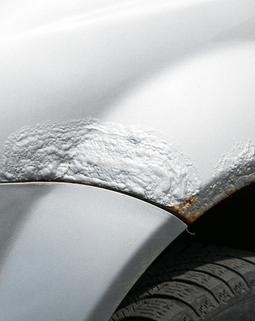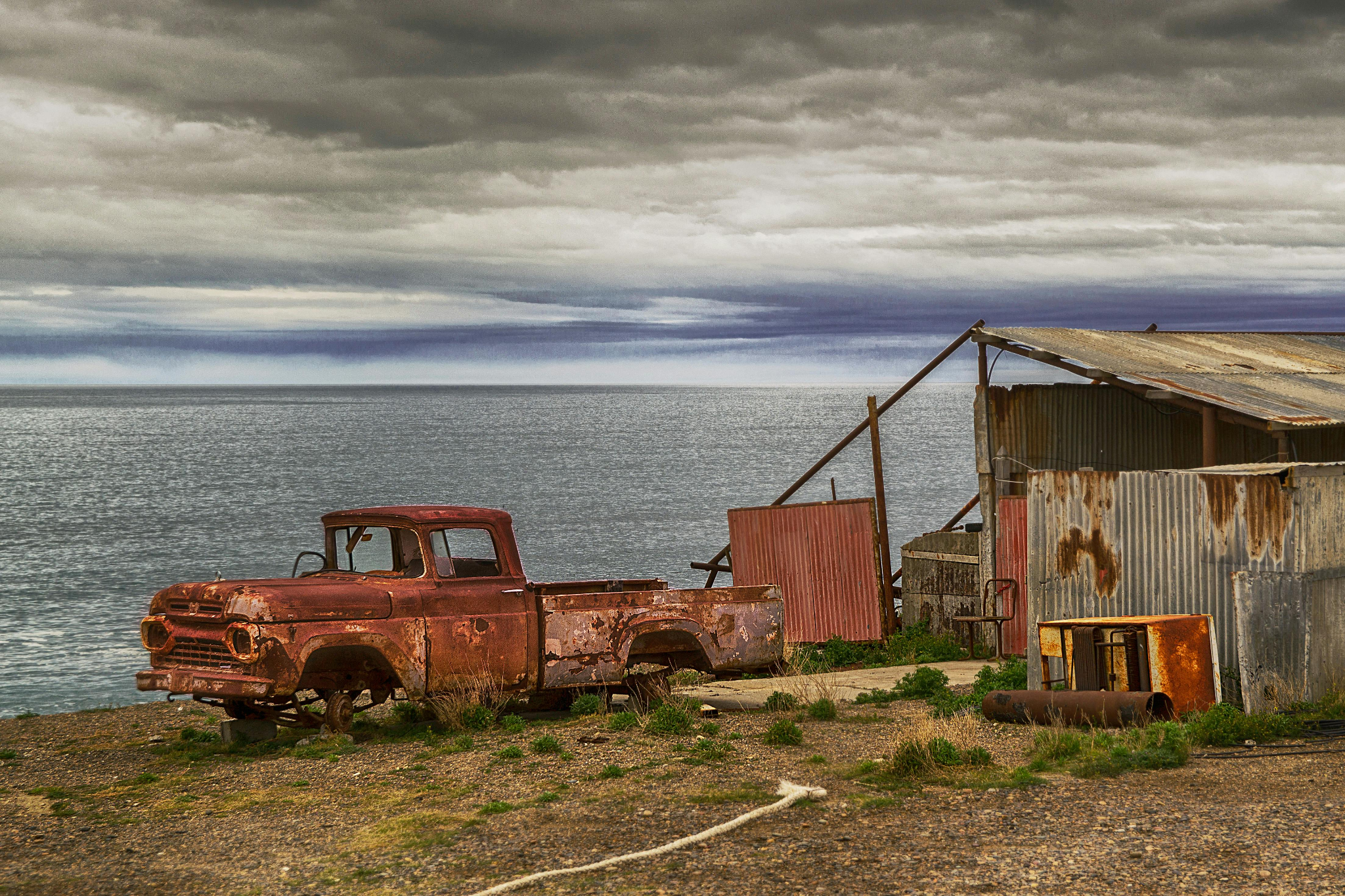
Living along the breathtaking Indian Ocean coastline of East Africa brings the relentless, invisible threat of Extreme Salt Corrosion. The high humidity, constant sea breeze, and salty marine mist aggressively attack exposed metal surfaces on a daily basis. Whether you are driving along the pristine beaches of Ponta do Ouro or navigating the bustling coastal highways of Beira, extending the lifespan of your car or heavy-duty truck requires specialized knowledge. Mastering Mozambique Coastal Vehicle Salt Protection is an absolute necessity for protecting your automotive investment. Without proactive, multi-layered defense strategies, rust will rapidly consume structural components, completely ruining your vehicle from the inside out.
The Threat Of Extreme Salt Corrosion
The combination of intense tropical heat and salty ocean spray creates a highly conductive, destructive environment on your vehicle's chassis. When atmospheric moisture and salt mix, they aggressively accelerate the oxidation process, rapidly turning pristine steel into brittle iron oxide.
Understanding Galvanic Corrosion Prevention
When two dissimilar metals come into direct contact in the presence of salt water, they create a microscopic electrical current that drastically accelerates rusting. Effective Galvanic Corrosion Prevention is the scientific foundation of Mozambique Coastal Vehicle Salt Protection. Modern automotive technicians frequently install electronic rust protection modules. These advanced devices emit a weak, continuous capacitive current across the vehicle's entire metal body, actively interfering with the natural oxidation cycle and preventing rust before it even begins to form.
Implementing Marine Grade Rustproofing
Standard factory clear coats and waxes are completely insufficient for the harsh coastal realities of the region. To achieve long-lasting Mozambique Coastal Vehicle Salt Protection, owners must heavily invest in specialized Marine Grade Rustproofing. These advanced chemical sealants are specifically formulated to withstand relentless oceanic exposure. They create a highly durable, hydrophobic barrier over the vehicle’s exterior paint, vulnerable weld seams, and door hinges, completely sealing the raw metal away from the corrosive, salty air.
Applying Undercarriage Protective Coatings
The bottom of your vehicle takes the absolute hardest beating from wet, corrosive coastal roads and sandy beaches. Applying thick, rubberized Undercarriage Protective Coatings is a non-negotiable step in Mozambique Coastal Vehicle Salt Protection.
This specialized, heavy-duty barrier actively shields the exposed exhaust system, complex suspension linkages, and delicate brake lines from direct salt spray, preventing catastrophic mechanical failures while you drive.
Daily Coastal Automotive Maintenance
However, chemical and electronic barriers alone cannot guarantee total defense. Consistent, rigorous Coastal Automotive Maintenance is the final, vital layer of comprehensive Mozambique Coastal Vehicle Salt Protection. Drivers must actively wash their vehicles on a weekly basis, using high-pressure fresh water to thoroughly flush out salt deposits hidden deep within the wheel wells, behind the bumpers, and inside the chassis drainage holes.
For fleet operators, coastal residents, and logistics managers wanting to continuously track the latest shifts in regional vehicle preservation, mechanical upgrades, and African automotive strategies, exploring the expert daily insights at AfriCarNews is highly recommended.
Ultimately, combining modern electronic defense, heavy-duty chemical barriers, and strict freshwater washing routines guarantees successful Mozambique Coastal Vehicle Salt Protection, ensuring your coastal transport remains incredibly safe, highly reliable, and entirely rust-free for years to come.
Have you ever struggled with severe rust on your coastal vehicle? What is your preferred method for keeping the salty ocean spray off your undercarriage? Share your maintenance tips, questions, and rust-proofing stories in the comments below!