


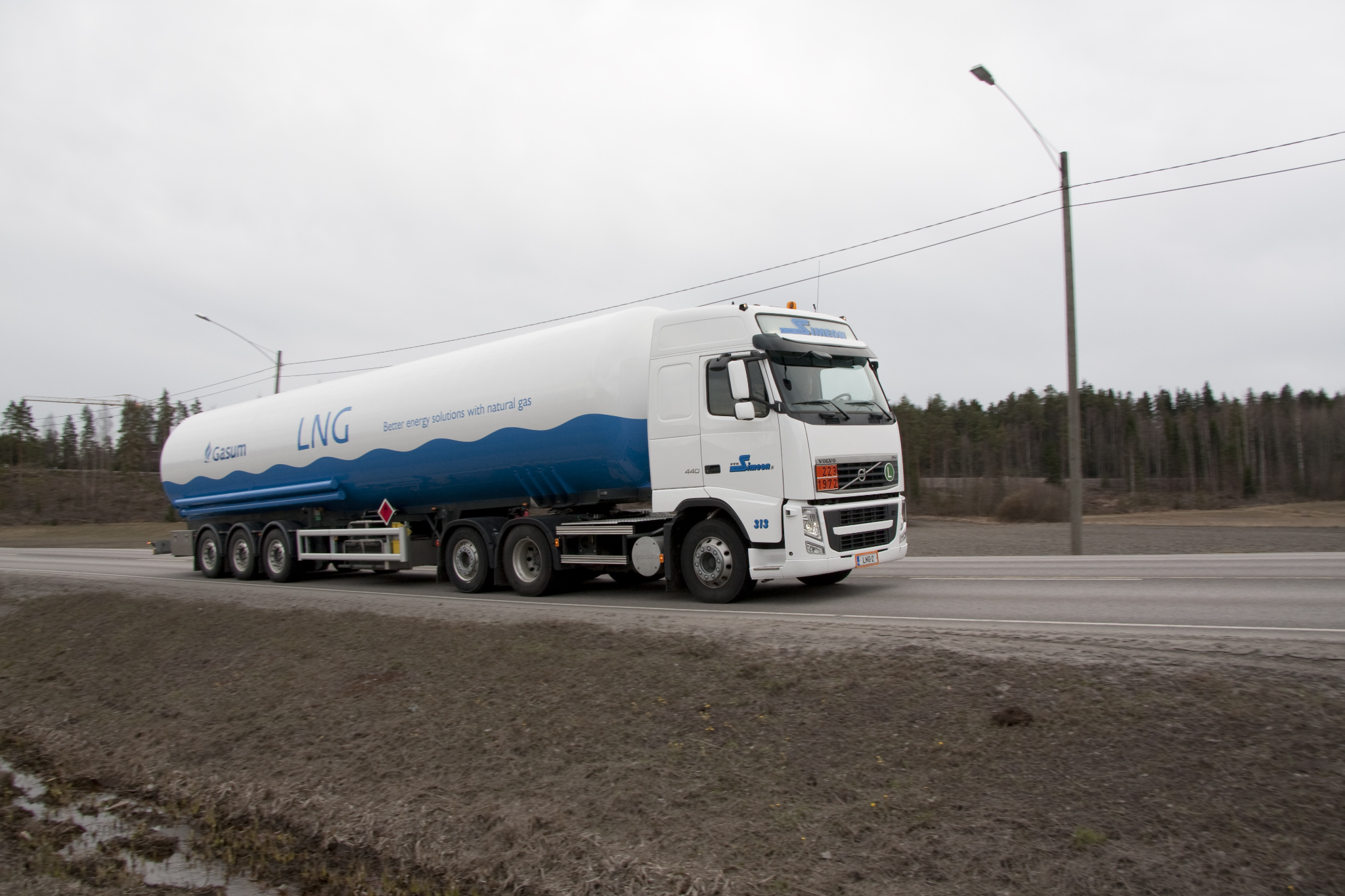
In the resource-rich regions of Northern Mozambique, a monumental shift in industrial transportation is currently underway. As global mega-projects in the Rovuma Basin roar back to life, the local mining and extraction sectors face intense pressure to rapidly reduce their carbon footprints. Transitioning massive fleets of heavy-haul trucks away from highly polluting diesel is a formidable challenge. However, the strategic implementation of Mozambique LNG Mining Logistics is proving to be the ultimate game-changer, utilizing locally produced Liquefied Natural Gas (LNG) as a highly effective transitional fuel to decarbonize heavy industry.
The Rise Of Liquefied Natural Gas In Heavy Transport
Historically, the massive dump trucks and long-haul articulated vehicles required for mineral extraction have relied exclusively on diesel. These heavy-duty trucks consume hundreds of thousands of liters of fuel annually, generating a massive volume of greenhouse gas emissions. While fully electric or hydrogen-powered trucks represent the ultimate zero-emission goal, the technology and off-grid charging infrastructure are not yet viable for the extreme, remote conditions of Cabo Delgado and surrounding provinces.
This is precisely where LNG steps in. By burning significantly cleaner than traditional diesel, LNG immediately cuts carbon dioxide emissions by up to 20%, while almost entirely eliminating harmful particulate matter and sulfur oxides.
Why Diesel Is No Longer Sustainable
For international mining conglomerates, relying on imported diesel is no longer financially or environmentally sustainable. Stringent global carbon reduction mandates are forcing operators to clean up their supply chains. Mastering Mozambique LNG Mining Logistics allows these companies to utilize the very gas being extracted right off their coastline, creating a highly efficient, localized energy loop that slashes both emissions and imported fuel costs.
Implementing Mozambique LNG Mining Logistics
Transitioning an entire industrial fleet requires profound mechanical and logistical adjustments. To successfully execute Mozambique LNG Mining Logistics, operators are progressively replacing aging diesel engines with dedicated natural gas powertrains, or retrofitting existing trucks with advanced dual-fuel systems that blend both fuels seamlessly.
Building The Infrastructure For Gas-Powered Fleets
The absolute success of Mozambique LNG Mining Logistics relies entirely on robust refueling infrastructure. Energy consortiums are actively deploying modular, cryogenic LNG fueling stations directly at the mining sites and along critical transport corridors. Because LNG is super-cooled to minus 162 degrees Celsius, storing and dispensing it requires specialized, vacuum-insulated tanks. Establishing this high-tech infrastructure is a foundational step in securing reliable Mozambique LNG Mining Logistics across the region.
The Financial And Environmental Benefits
The shift toward gas-powered freight represents a massive economic victory. Because the fuel is sourced domestically, fleet operators are heavily insulated from the volatile price spikes of international oil markets. For supply chain managers, automotive engineers, and green energy investors wanting to continuously track the latest shifts in African industrial transport, eco-friendly fleet management, and regional fuel transitions, exploring the expert daily insights at AfriCarNews is highly recommended.
Paving The Way For A Zero-Emission Future
Ultimately, the aggressive expansion of Mozambique LNG Mining Logistics serves as a vital bridge. By aggressively cutting emissions today using available natural gas, the region is buying crucial time to develop the green hydrogen and heavy-duty battery technologies of tomorrow. Mozambique LNG Mining Logistics perfectly proves that heavy industry can successfully balance high-volume productivity with deep ecological responsibility.
Do you believe that LNG is the best transitional fuel for heavy African logistics, or should mining companies wait for fully electric trucks? How else can the continent utilize its own natural resources to clean up industrial transport? Share your engineering insights, questions, and green logistics ideas in the comments below!

