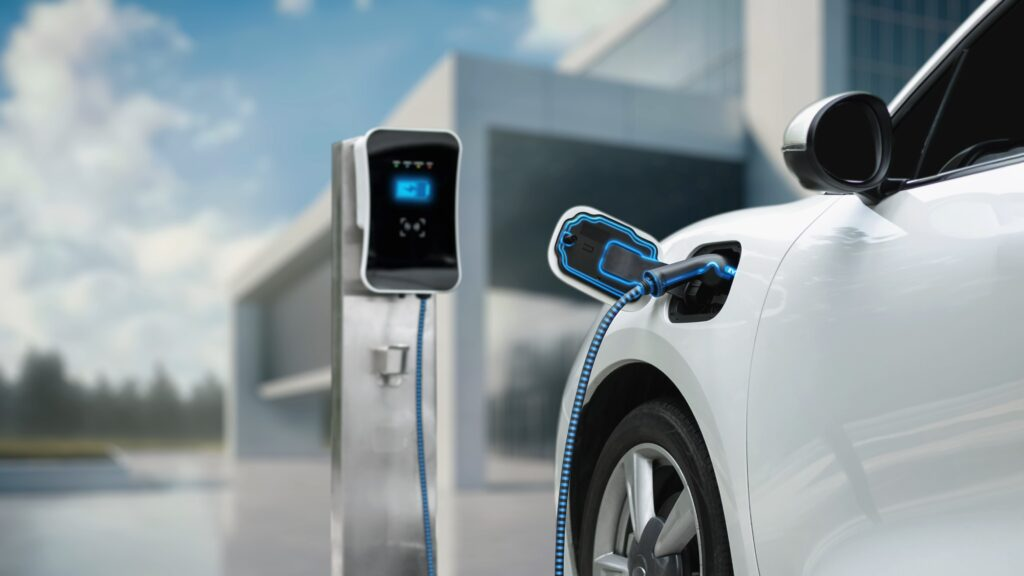
Mozambique has taken a significant step toward sustainable mobility by eliminating customs duties on fully electric cars. The decision, approved by the national parliament, means that Mozambique electric vehicles imported into the country will now benefit from a zero percent customs duty rate, replacing the previous 20 percent tax.
The reform forms part of the government’s broader energy transition strategy aimed at encouraging cleaner transportation technologies and reducing dependence on fossil fuels. As African cities continue to experience rapid urban growth and rising vehicle ownership, policies supporting Mozambique electric vehicles are increasingly seen as key tools for reducing emissions and improving urban air quality.
Government officials believe that removing import duties will make electric cars more accessible to businesses and consumers, helping accelerate the transition toward greener transport solutions across the country.
Government Push for Cleaner Mobility
The policy change was announced during parliamentary discussions on amendments to the national Customs Tariff and its preliminary instructions. Under the revised framework, vehicles powered exclusively by electric motors will enter Mozambique without paying import duties, a move designed to stimulate investment in Mozambique electric vehicles and modern mobility technologies.
Finance Minister Carla Loveira explained that the measure is intended to promote environmentally sustainable transport while aligning with national development priorities. By lowering the cost barrier for electric cars, authorities hope to encourage companies, fleet operators, and private drivers to consider switching to cleaner vehicles.
The initiative also supports the country’s long-term National Development Strategy (ENDE) 2025–2044. Within this strategy, strengthening trade policies and encouraging innovation are key priorities. Promoting Mozambique electric vehicles fits directly into these goals, particularly as the government looks to modernize the automotive sector while supporting climate commitments.
Aligning Customs Rules With Global Trade Standards
Beyond electric vehicles, the reform also includes technical updates to Mozambique’s customs tariff structure. Authorities plan to align the country’s system with the 2022 version of the Harmonised System of Coding and Nomenclature of Goods, a global classification framework used in international trade.
Mozambique currently uses the 2017 version of the system, making the update necessary to maintain compatibility with trading partners. The revision ensures smoother trade procedures while strengthening the legal framework supporting imports such as Mozambique electric vehicles.
The updated tariff framework also incorporates obligations from several international trade agreements to which Mozambique is a signatory. These include economic partnership agreements with the European Union and the United Kingdom, as well as commitments under the African Continental Free Trade Area (AfCFTA).
Gradual Tariff Reductions Under Regional Agreements
As part of the new tariff structure, Mozambique will gradually reduce certain customs duties in line with regional and global trade agreements. Some tariffs are expected to fall to between 1.7 percent and 17 percent by 2026, with several categories reaching zero by 2033.
Although the tariff adjustments mainly address trade harmonization, they also reinforce the government’s ambition to stimulate emerging sectors such as Mozambique electric vehicles. By lowering import costs and improving regulatory clarity, authorities hope to create a more attractive environment for electric mobility investment.
Industry observers note that electric vehicle adoption in Mozambique remains at an early stage, largely due to higher purchase prices and limited charging infrastructure. However, the removal of import duties could significantly reduce costs and encourage early adoption, especially among corporate fleets and urban mobility services.
For broader updates on automotive policies and mobility developments across the continent, platforms such as AfricaCarNews regularly track trends shaping Africa’s transport future.
A New Chapter for Sustainable Transport
The elimination of customs duties marks an important milestone in the growth of Mozambique electric vehicles. While infrastructure development and public awareness will still play critical roles, the policy sends a strong signal that the country is ready to embrace cleaner transport technologies.
As governments across Africa explore ways to balance economic growth with environmental protection, Mozambique’s EV incentive could become a model for other emerging automotive markets.
Do you think tax incentives like this can accelerate electric vehicle adoption in Africa? Drop your opinion in the comments and join the conversation!